Divide and Conquer: Sinners (Ryan Coogler, 2025)

SPOILERS all the way. I’m not kidding. Consider yourself duly warned.


The vampires in Sinners do not represent white supermacy per se. At least, not in a definitive form, insofar as vampires CAN be definitive metaphors of any kind.

Because white supremacy doesn’t need supernatural gilding to appear menacing, devouring and oppressive, even in Ryan Coogler’s triumphant and moreish genre exercise – blending Jim Crow-era realism with the baroque stylings of an action-horror romp. The covert Klansmen implanted at the periphery of the film, and whose role culminates in the latter half of the third act, embody the most prosaic kind of evil imaginable. But this doesn’t make them any less of a threat. If anything, they have one advantage over the nocturnal bloodsuckers – they can roam freely over any territory both day and night, invited or otherwise.

No, the vampires here – at least their leader, Remmick (Jack O’Connell) – are simply the manifestation of yet another fallout of systemic oppression. Remmick is of Irish origin and speaks to the suppression of the magical power of his own region’s folk music by the imperialist lurch of both Christianity and the English.

And for sure, a white man wanting to assimilate and fold blues musicians into his ‘rainbow coalition’ project that would seek to upend mundane oppressions with a new vampiric world order does also speak to another layer of exploitation faced by our black protagonists.

But what’s also interesting here is that it’s Remmick who is given the role of ‘too-radical villain’ who may have “a point” but whom nobody in their right minds would follow to the end. Compare this to Coogler’s mainstream breakthrough, Black Panther. In it, we have Killmonger, played by Sinners’ own Michael B. Jordan, who responds to bigotry in kind, but whose actions ultimately have to be dialed up to an unjustifiable extreme for Marvel’s status quo to be maintained.

Sinners never allows for such a boring return to old tropes. Nobody is a saint here, for sure, barring perhaps young Sammie (Miles Caton), but only because this is something of a coming-of-age story for the musically gifted preacher’s son, whom the ordeal leaves “wiser and sadder” and allows him to gradually make a life for himself as a musician further down the line (transforming into Buddy Guy, no less in a mid-credits flash-forward sequence).

Though hardly the ‘alpha’ of the story, Sammie is the hero here because he manages to slink out of the oppressive binaries imposed by his world. He rejects his father’s pious cocoon, but he also grows out of wanting to be like his cousins – Jordan’s twins Smoke and Stack, whose return to their hometown after a stint with Capone in Chicago kicks the whole shebang into being.

But the undercurrent of sadness that we still feel envelop Sammie at the end – which Smoke warned him about, and which animates the spirit of blues either way – is, I think, down to the loss of the rhapsodic community spirit that we glimpse for a brief, glorious moment when the Twins’ project appears to be succeeding in what it’s trying to do – a sequence in which Sammie’s public debut as a musician ushers forth a wall of sound that pulls in musicians from past, present and future; a chorus which busts open the gates of perception and plucks at one of the animating chords of the universe.

But instead, we find him playing to appreciative but fragmented audiences in a cosmopolitan jazz bar in the big city.

White supremacy has allowed for neither the black community to exist and thrive in peace, much in the same way it crushed the pre-Christian Irish communities attuned to a sense of the numinous that would likely be branded heretic at the drop of a Pope’s hat.

It leaves us scrambling for scraps, and we’re often left scrambling alone.

Nosferatu (2024) – Feeding with Friends

“It’s a real film, Jack.”

I keep thinking about this quote from Boogie Nights whenever I watch something that isn’t just fodder for streamers or yet another placeholder entry in a long-running series – be it film or TV – and which instead exists in its own moment and on its own terms, with a lived-in texture we’ve trained ourselves to be nostalgic about. The line is uttered from one pornographer to another, as they marvel – with misdirected smugness and surprise – at how a nominally more ambitious project of theirs appears to scale new heights of taste and credibility.

A similar feeling crossed my mind as I sat down to watch Robert Eggers’ much-anticipated remake of Nosferatu. You may be tempted to think that this is because I consider genre cinema in general and horror in particular to be inferior to other forms of cinematic expression, but anyone who knows me would laugh at the mere idea of me taking such a stance.

No, this is more about the way in which Nosferatu feels like a “real film” – more to the point, a tentpole blockbuster of yore – in the same way as George Miller’s Mad Max: Fury Road felt like a real film.

Something made with excess, and a sense of abandon and sensation (if not sensationalism) at concept stage. But which then proceeds with an evident care and love as it paints itself on the screen. Just because we’ve evolved to understand how film language works doesn’t mean we cannot thrill to witness it being made with the same tools that evoke the true effort behind the magic.

(Better writers than me have delved into the aesthetics and mechanics of how these auteurs do what they do, so I don’t really feel it’s necessary for me to delve into a granular analysis of just how they achieve that spark).

Audiences understand how a story gets from Point A to Point B, and sure – that should be good enough for you to follow the entry of the latest Star Wars or Marvel Cinematic Universe entry. But the engagement you get from those franchises has less to do with your immediate experience of the individual film or TV series in the now and more about how they can reward you with more entries in the future… and who knows? Maybe someday, one of those entries will give you the same thrill you used to get in the early thrill of Phase One, when you were young to its potential, when you believed you were actually experiencing an Event right there and then?

The irony of Nosferatu’s Count Orlok (Bill Skarsgård) identifying himself as little more than pure appetite, when in fact it’s Eggers’ film that likely to leave us pleasantly full, sated and satisfied, whereas its erstwhile competitors in the mainstream genre sphere peddle the wares of long-form addiction – an exercise of endless deferral that also speaks to something resembling a pyramid scheme.

Parasites, like the truest of vampires.

Here, have another franchise entry. Just sit through this one, and I promise the next one will be even better. I’ll throw in a couple of cameos for free – you recognise that obscure character in the post-credits sequence, don’t you? Good on you – don’t you enjoy that hit? Don’t you want more?

“It’s a real film, Jack,” is also an acknowledgement that maybe, now, these guys could be readying themselves to make something won’t just bump them into a bracket of respectability previously closed off to them; it could also result in the creation of something socially beneficial… a movie that could be enjoyed as a movie and not just masturbation-fodder to scratch a particular itch, an itch which remains because pornography – and individual franchise entries – exist to leave you craving more.

Of course, anyone who’s seen Boogie Nights will know that the line is poised as an ironic act of hubris. The ‘real movie’ in question is a ridiculous pastiche – what we see from the end product are mostly corny lines pitched purely for laughs. But strip away the trappings of 1970s porn industry that informs Paul Thomas Anderson’s film and you’ll find an earnest beating heart which speaks to the vulnerability of that moment of creation.

To this end, another comparison comes to mind – one that cleaves more closely to the six degrees of separation that lead us back to Eggers’ Nosferatu – is Tim Burton’s Ed Wood. Burton treats the ‘worst director of all time’ with the same compassion and empathy that Anderson reserves for the collection of lovable losers and chancers that populate Boogie Nights, and in doing so makes us feel deeply for someone attempting to make art on their own terms.

Luckily for all of us, Eggers is no Ed Wood. But if you’ll pardon a pun more gross and disgusting than anything you’ll see in Nosferatu (full-frontal Orlok included)… we miss the wood for the trees when the end result is all that we focus on.

Particularly when the well-oiled machine of the rival franchises is all about the result – slick and nicely packaged, but also endlessly deferred with the promise of future packages to come.

What is this if not the same animating force behind art generated purely by AI? And wouldn’t both Wood and Eggers – opposites on the spectrum of quality as they are – stand in direct opposition to such a homogenising machine?

***

Now, the texture that enriches the Nosferatu experience is also the kind of thing that would inspire addiction-adjacent rewatches, but I’d argue that this would be more of an act of communion, a revisitation akin to the healthy time spent with a good friend.

And I think this is what’s baked into Eggers’ process – the weirdly wholesome and probably somewhat anachronistic idea that ‘hard work pays off’; that not taking short cuts by doing all the nerdy occult/folklore research and having thousands of live rats on set will actually result in an appreciative response from the crowd you seek to court.

Of course none of these elements would work in isolation, and one of my own fallacies as a burgeoning artist was in fact the belief that churning ahead with the surface-level, craft-based elements will be what will allow me to eventually be taken seriously.

But when the mainstream morphs into an automated machine that can generate something resembling the shell of what you used to love, it is the humans in the mix who will remind you that what you love can still exist, across the same “oceans of time” that Gary Oldman waxed lyrical about in his own take on the vampire Count that served the basis for all the Orloks that followed.

My Better Half Has Bitten Me | Revisiting Jennifer’s Body

That Karyn Kusama and Diablo Cody’s Jennifer’s Body (2009) is now a re-excavated post-#MeToo classic has become a bit of a trope, albeit one rooted in undeniable truths. Buzzfeed’s picked up on it two years ago, so that just about seals the mainstreamification of that take, and I’m glad it all panned out that way, don’t get me wrong.

But neither should that smoothen out its punkier bona fides. This is a film whose title and overall thematic contours are drawn from a song by Hole, after all… one that’s culled from its early-90s sophomore album Live Through This (1994), itself a solid-gold piece of early post-grunge whose inherent quality transcends any reputational iffiness that the legacy of Courtney Love carries with it. 

In many ways, I think it also course-corrects the riskily schmaltzy elements of Diablo Cody’s breakthrough, Juno (2007), by passing them through the B-movie horror lens. Yes, the film’s marketing department contributed to its initially dismal box office and critical performance by relying too much on the cheaply exploitative Megan Fox-isms; playing to the peanut gallery of horny teenage boys by presenting her demonically posessed man-eater character as something akin to Natasha Henstridge’s murderous alien seductress in 1995’s Species.

Apart from the now-documented sexism and idiocy that underpinned this entire marketing debacle, it must also be said that they missed a trick in other ways. There is certainly a schlocky exploitation element to Jennifer’s Body, but it’s informed by the same strain of subversive, tongue-in-cheek humour and cheekiness that characterises a lot of the vintage horror cinema that Cody and Kusama doubtlessly draw energy from. That its overlaid with Cody’s now-trademark crackling dialogue provides an added layer of cool, self-aware appeal, but its dark, disemboweling overtones ensure that it doesn’t slip into Juno’s sometimes grating over-cuteness. 

megan fox

Sated and well-fed: Megan Fox in Jennifer’s Body (2009)

After demonic-Jennifer claims her first on-screen victim, the unfortunate teenage boy’s father responds to the police’s promises that they will do their utmost to catch the perpetrator (whom they automatically and tellingly assume to be male) with a hilarious counter-missive: “I’ll get him myself! I will! You hear me, you bastard? I’ll cut off your nutsack and nail it to my door! Like one of those lion doorknockers rich folks got! That’ll be your balls!” 

But Jennifer’s Body will also continue to survive by dint of its sneakily truthful exploration of female friendship, and problematic ‘sisterhood’ as expressed during the turbulent high school years.

jennifers-body

Don’t you know that I’m toxic? Amanda Seyfried and Megan Fox in Jennifer’s Body (2009)

It’s rightly hailed as a feminist film, but it sugar-coats nothing, in a way that ties into its erstwhile spiritual predecessor: John Fawcett’s Ginger Snaps (2000), in which this time literal sisters are forced apart when one of them succumbs to lycanthropy – a metaphor that once again plays out as the supernatural pushing already-latent hormonal angst into overdrive. (Film Geek Six Degrees of Separation Time: Ginger Snaps’ Emily Perkins has a cameo as a memorably disinterested abortion clinic clerk in Juno). 

Even prior to her demonic posession, Jennifer is a domineering, gaslighting presence for Amanda Seyfried’s aptly-monikered Needy – and it is Needy’s arc that we end up rooting for in the end, after she sheds her co-dependence on Jennifer to truly claim her full agency.

But the undeniable toxicity of their relationship does not in any way dampen the violation Jennifer suffers at the hands of the Satan-courting band Low Shoulder, who attempt to use her assumed virginity to seal a demonic pact that will secure their future success. That they get their just desserts by Needy’s hand in the end is not down to the mousy protagonist pathetically avenging ther domineering ex-friend. She does it for all womankind, not just for Jennifer’s sake. 

needy

A heroine we barely deserve: Amanda Seyfriend as Needy in Jennifer’s Body (2009)

Now it wouldn’t be entirely right to cast Jennifer’s Body as some sort of all-out gritty underground cult gem: while a lot of us agree that it was misunderstood and maltreated both from within and without upon release, it remains a sleek piece of mainstream horror top-billed by then white-hot Megan Fox and Amanda Seyfried (both, let’s be frank, squeezed a bit too tightly into teenage roles that we’ll have to squint a bit to believe).

But even then, the very fact that it was produced by 20th Century Fox and given the spit-polished star treatment is likely what it led to it being shish-kebabbed on arrival, as this inevitably leads to it being catapulted into a rarified atmosphere of corporate bullshit whose baseline expectations have zero to do with memorable storytelling. Kusama and Cody did NOT play ball with this one. And thank the demonic deities for that. 

*** 

I rewatched Jennifer’s Body after a day of packing more of our flat into boxes and suitcases for an imminent move to another apartment, in the peak of summer no less. This is both a physical and emotional struggle in many ways, so a degree of rawness at the end of the day is to be expected.

It certainly made me more vulnerable  to the  layers of nostalgia that this 2009 film is now riddled with: the references to MySpace, Low Shoulder tapping into the emo craze (see also: the Fall Out Boy poster on Jennifer’s bedroom wall), Needy’s schlubby boyfriend Chip using “everyone [at that bar] has a mustache” as a pejorative. 

A lot has changed in 11 years. 


Literary Homes Away From Home | TIFA & Malta Book Festival

The life of the freelance writer can be nasty, brutish and long… at least it certainly feels that way as the deadline trenches continue to spew up new nasties and your trusted friends and allies get lost on the way, or are thrown into their own mix of churny nastiness.

All of this is to say that I haven’t quite been able to keep this blog up and updated as often as I’d wished (a perennial excuse/complaint by those of my ilk), which this time was particularly regretful given the awesome stuff that lies ahead.

Namely…

The Toronto International Festival of Authors 

Thanks to the kind collaboration/collusion between Merlin Publishers and the Consulate General of the Republic of Malta, I was able to say “yes” to the kind offer by the organisers behind the Toronto International Festival of Authors, a truly prestigious literary event that this year will feature guests like Angela Davis, John Irving, Adam Foulds, Adam Gopnik, Emma Donoghue and a plethora of intimidating-sounding others for what will be its 40th anniversary edition.

It still feels a little bit unreal to me, and I’m sure it’ll remain so right until we actually land in the beautiful-seeming city after what will be my first trip outside of Europe.

The grounding factor are of course the events I will be participating in, which are the following:

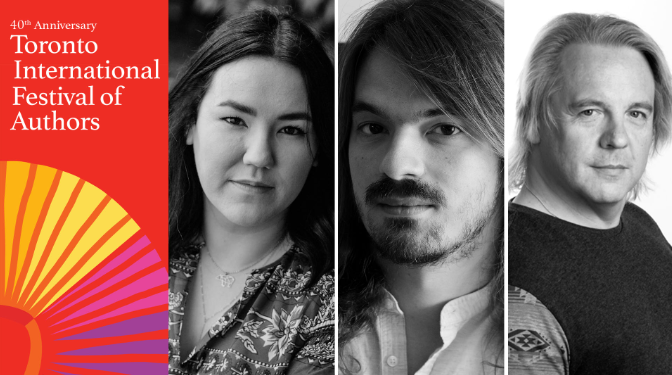
Reading & Conversation: Karen McBride, Teodor Reljić and Drew Hayden Taylor

TIFA author event.png

Saturday, October 26, 2019 – 4:00 PM
Lakeside Terrace, Harbourfront Centre

These three authors examine the hidden secrets with which we live, in family life and in our hometowns. Karen McBride presents her first novel, Crow Winter. She is an Algonquin Anishinaabe writer from the Timiskaming First Nation in the territory that is now Quebec. Drew Hayden Taylor presents Chasing Painted Horses. He is a playwright, short story writer, novelist, journalist, activist for Indigenous rights and TV scriptwriter. Teodor Relijić presents Two. He is a writer of fiction, a freelance feature writer, and culture editor and film critic at MaltaToday. The conversation will be moderated by Wendy O’Brien. Hosted by Tunchai Redvers.

***

Europe On Tour: Reading & Reception

Sunday, October 27, 2019 – 7:00 PM
Lakeside Terrace, Harbourfront Centre

No passport needed to meet, hear and learn from the European Union’s leaders in contemporary literature at this special event. For the second year running, the Festival is thrilled to present this rare chance to hear acclaimed works recited live in the languages in which they were originally written and in the authors’ own voices.

Spotlighted countries include Estonia, France, Germany, Hungary, Italy, Portugal, Slovenia and Spain. This event is presented in conjunction with the European Union National Institutes for Culture. Written English translations will be available. Readings will be followed by a licensed reception and the event will be hosted by Laetitia Delemarre.

Featured authors include:

Kai Aareleid (Burning Cities),

Esad Babačić (Every Child is Beautiful When Born),

Helena Janeczek (The Girl with the Leica),

Frido Mann,

Wilfried N’Sondé (Concrete Flowers),

Inês Pedrosa (Still I Miss You),

Rein Raud (The Death of a Perfect Sentence),

Teodor Reljić (Two),

Teresa Solana (The First Prehistoric Serial Killer),

Benedek Totth (Dead Heat),

and Gabriela Ybarra (The Dinner Guest).

***

Authors on Tour at Union Station – Day 3

Monday, October 28, 2019 – 12 PM – 2 PM

The Toronto International Festival of Authors has partnered with Toronto’s Union Station once again to bring spirited author readings to Toronto’s busiest commuter interchange.
Hosted by Antanas Sileika, the events will spotlight a select lineup of authors, as well as a “Books On Tour” Library of favourite Festival titles of the past 40 years, which passersby are welcome to take home with them free of charge. Each author will present from their latest book on the topic of “travel” or “journeys” and interact with the audience. The event will take place in the West Wing of Union Station, immediately off the Great Hall at street level.

Next… 

The Malta Book Festival  

MBF2019_Poster-banners-1920x583_EN

A beloved event that is only growing from strength to strength with each passing year (much like Malta Comic Con, whose second day I’ll be attending pretty much after my Toronto-via-Rome plane back home lands on the Luqa gravel), this year’s edition of the Malta Book Festival is especially exciting for me.

Its chosen theme of speculative fiction is obviously close to my heart, and it is for this reason that its organising body, the National Book Council, kindly allowed me to pitch a couple of names into the ring of their then-burgeoning programme.

Happily, this resulted in both Jon Courtenay Grimwood and Kali Wallace to be selected for participation in a few events at the festival, both of whom I’ve met and made friends with at Cons in the Scarborough and Helsinki, respectively. They round out a set of international guests which also include Dave Rudden and none other than Judge Rosemarie Aquilina. My contributions to the Malta Book Festival, which runs from November 6-10 at the Mediterranean Conference Centre, will be the following:

Kali Wallace at the National Book Festival 

I will be interviewing Kali Wallace on November 7th at 18:00 about her already-prolific and eclectic range of novels, which span from horror to sci-fi, YA to middle-grade to adult fiction, and the latest of which has just been optioned for a big-budget film adaptation.

Kali wallace

Official event description:

U.S. author Kali Wallace will be talking to Teodor Reljić about her already prolific output, which includes the Young Adult cult favourites ‘Shallow Graves’, ‘The Memory Trees’ and ‘City of Islands’. Their talk will touch upon the dynamics of genre fiction and publishing, the difference between writing for young adults and adults, the legacy of space-horror thrillers such the ‘Alien’ franchise and their influence on her most recent work and debut novel for adults, ‘Salvation Day’. Because it is only right, a portion of the conversation will also be dedicated to a consideration of both interlocutors’ undeniably adorable fluffy cats.

Official Facebook Event

***

Literary Speed Dating

Prior to that, I will also be participating in the inaugural edition of the Literary Speed Dating event, which according to the National Book Council, “will take place at the Authors’ Hub, a space specifically designated for one-to-one meetings during the Malta Book Festival.

“The idea behind this initiative is to get individuals from the public to meet you as an exhibitor/participant/important stakeholder in the book industry at the Malta Book Festival, in a setting which is more private than the usual ‘from behind the counter at the stand in a festival attended by thousands”.

My own slot will be on Wednesday, 6 November from 17:30 to 18:30, right before the Festival’s annual conference, which will this year feature Loranne Vella, Jon Courtenay Grimwood, Kali Wallace and Dave Rudden in a discussion of the ‘strange new worlds’ propsed by sci-fi and fantasy fiction, as moderated by author and translator Mark Anthony Fenech.

Okay, time to strap in, literally and metaphorically. Hope to meet a bunch of you in the flesh! 

Film Reviews | Local Respite and Arthouse Oxygen After These Bloody Blockbusters

I’ve waited for the reviews to form a satisfyingly diverse cluster before putting this together, as it’s been an interesting couple of months at the movies. But here they are; some of my recent pieces of film criticism for MaltaToday, liberally cherry-picked and in no particular order.

Which is, of course, a total lie. Cherry-picking implies selection, and selection implies intention, which implies order of some kind.

In this case, we’ve see a few glittering diamonds in the rough just about rising up for air in an atmosphere suffused by entertaining, but equally suffocating, blockbuster fare.

***

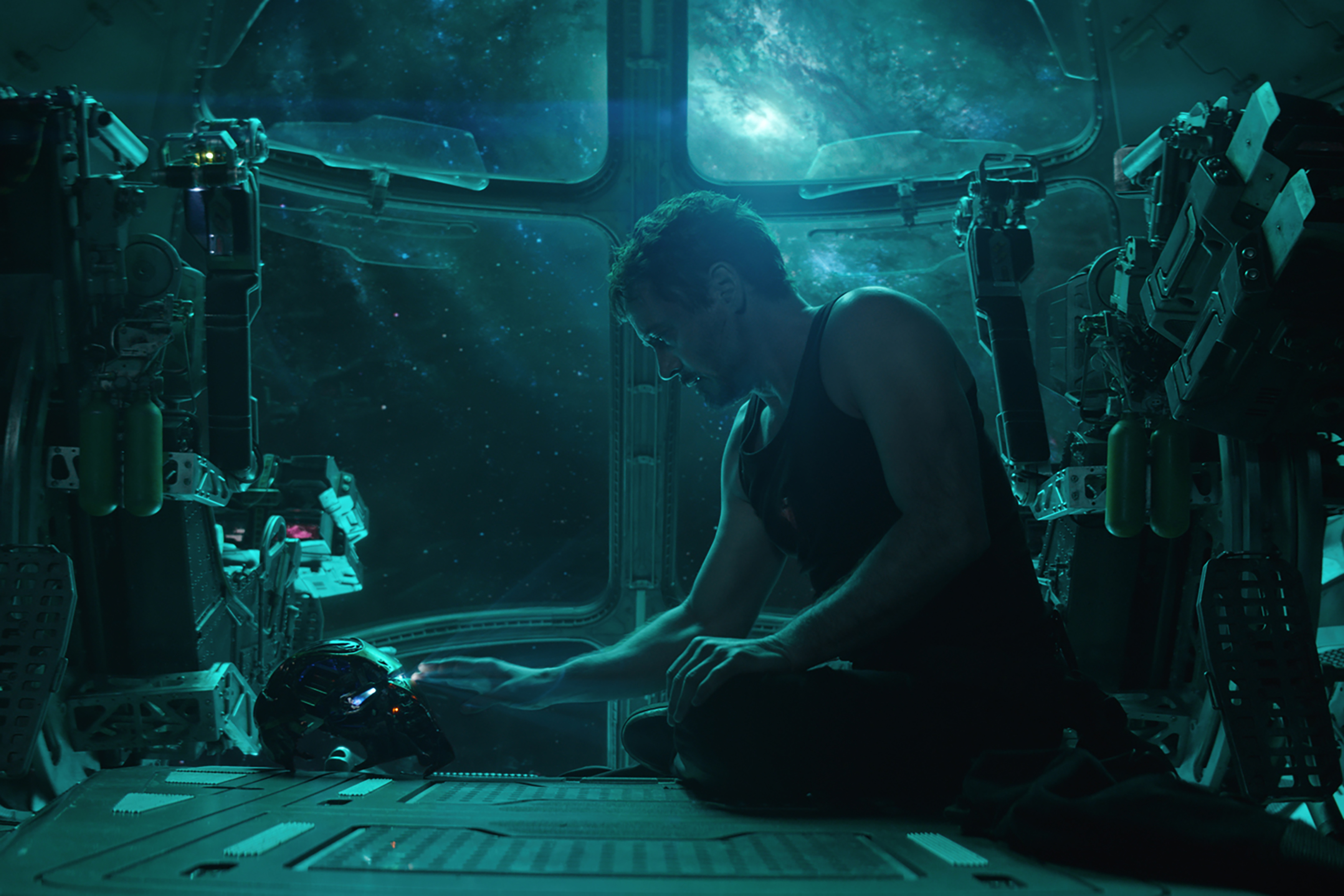
The Inevitable Epic: Avengers – Endgame 

null

“Though an epic send-off may have felt like a foregone conclusion Marvel Studio’s unprecedentedly long-running superhero saga, the mammoth achievement that’s ensued is certainly no casual fluke. Carefully calibrated to give each character and sub-plot their due while never short-changing its emotional content, Avengers: Endgame gives itself the licence of sizeable running time to tell a story that is part dirge, part mind-bending time travelling heist and part meditation on friendship and power. The cinematic landscape may have been changed by these colourfully-clad supermen and women in debatable ways, but the byzantine byways of its interconnected stories clicking so satisfyingly together is certainly no mean feat.”

Click here to read the full review

Note: Check out a more ambitious, expansive and crazier foray into superhero-media criticism in this article, which I was graciously invited to pen for Isles of the Left

The Vicious Familiar: Us 

Us

“More ambitious and tighter than his barnstorming Get Out in equal measure, Jordan Peele’s second stab at film-making may have some rips at its seams, but in the long run makes for a thrilling feature with something to say. Satisfyingly structured and laced with nuggets of ambiguity that will burrow through the brain, it’s offers a full-bodied experience of genre cinema that feels sorely needed in a landscape oversaturated with superheroes and remakes.”

Click here to read the full review

Third Time Bloody: John Wick: Chapter 3 – Parabellum

Keanu Reeves stars as 'John Wick' in JOHN WICK: CHAPTER 3 - PARABELLUM.

“Expanding on its world with a tightly-focused and clever simplicity that allows more than ample room for its trademark bloodbath-balletics to shine through, the third installment of the little action franchise that could continues to plough its way through the competition with violent, witty elan. A satisfying ride from start to finish, Reeves and Stahelski’s baby has grown up and taken the world by storm, while betraying zero signs of franchise fatigue so far.”

Click here to read the full review

Local Flavour: Limestone Cowboy

Limestone Cowboy

“Though lacking polish in certain areas and never quite managing to resist the temptation to stuff every frame with ‘local colour’, Limestone Cowboy remains an engaging and effective dramedy that successfully alchemises quirky Maltese mores into a feature of universal appeal.”

Click here to read the full review

Too Good For This World: Happy As Lazzaro

Happy As Lazzaro

“While offering an unflinching and deeply upsetting gaze into the unequal power structures of capitalism both past and present, Happy as Lazzaro also manages to be a rich and rewarding fable, limned with a magical glow that keeps cynicism and hopelessness at bay. Mixing in a team of first-time actors and non-professionals with established names, Alice Rohrwacher creates something of a minor miracle, which is likely to remain resonant for years to come.”

Click here to read the full review

***

Coming up: Reviews of Vox Lux (dir. Brady Corbet) and Beats (dir. Brian Welsh). Check out my Facebook, Twitter and Instagram avatars for updates on reviews and other projects


Easter Gothic | BILA, Camilla, Inheritance

Easter is approaching on this once-aggressively Catholic island, which is only marginally less so nowadays, as this snap I took a couple of days back gloriously, dramatically illustrates:

gudja

Easter of course also means spring in full swing, and the twisty turny weather that it brings with it has left me feeling a bit ‘off’ on a few days here and there, where drowsiness becomes the order of the day and where you feel abandoned to the mercy of the uncontrollable climate-gods and their whims — they are in you, controlling your moods and there’s not much you can do about it. Both humbling and annoying in equal measure, but I also know it’s nowhere near the deluge that is the summer-swelter juggernaut, for which I am subconsciously preparing with no small amount of trepidation.

But come rain on shine, my penchant for the cooling moods of Gothic melodrama will remain unquelled, and it’s not just the above photo that stands as proof of this. Recently, the punk-metal band BILA (no, they’re not all that sure about their genre-configuration either — I asked) got me on board to participate in the music video for their song ‘Belliegha’, in which I was tasked to play a folk monster by the video’s director, Franco Rizzo.

The no-budget, three-day shoot ended up blossoming into a glorious display of pulpy goodness, and it was about as fun to shoot as it is to look at, I reckon. You can check out the whole thing here. For those of you on the island and keen to hear more, BILA will be performing at Rock the South on April 14.

The Belliegha’s aesthetic certainly lies on the (deliberately) crummier side of what I’ve just been talking about, but we also had a chance to once again showcase our more elegant attempt at the Mediterranean Gothic during past couple of weeks, as the National Book Council invited co-writer/director, producer Martin Bonnici and myself to speak about our short film ‘Camilla’ at the Campus Book Festival.

camilla campus book fest

Flanked by Martin Bonnici (left) and Stephanie Sant (right) at the Campus Book Festival, University of Malta, March 29, 2019. Photo by Virginia Monteforte

The event was focused on adaptation, translation and subtitling, and to this end we were thankfully joined by Dr Giselle Spiteri Miggiani from the translation department, and someone with tangible experience of subtitling for television and cinema.

Despite having premiered back in November, it feels as though ‘Camilla’s journey into the world is only just beginning. Some encouraging feedback and an overall sense of enduring satisfaction with the work as a whole — bolstered by the memory of just how smooth a project it was to put together — leaves me with a decidedly un-Gothy optimism about its future.

But true to the spirit of fertility, resurrection and renewal that also characterises this season and its many associated festivals, there’s another bun in the oven that appears to be just about ready for consumption.

inheritance

After some five-odd years of rumination, regurgitation and tinkering, the fifth draft of a horror feature I’ve been working on under the auspices of the aforementioned Martin Bonnici appears to be production-ready.

Of course any number of things can happen in the run up to finally getting this thing filmed, but I can’t help but let out an extended sigh of relief at finally finishing a draft of ‘Inheritance’ that’s about as smooth as I’d like it to be — with the required suspension of disbelief being dialed down to a minimum, the dialogue as lived-in as it’s ever been, and the narrative beats aligned to both character motivation and the story’s thematic underbelly.

I’ll have to keep mum on details for the time being, not least because a jinx at this stage of the film’s evolution would be particularly heartbreaking. Suffice it to say that the project marks the fulfilment of a vow made back in 2014, on national media. A vow to make the Maltese cinematic space just that little bit punkier and weirder.

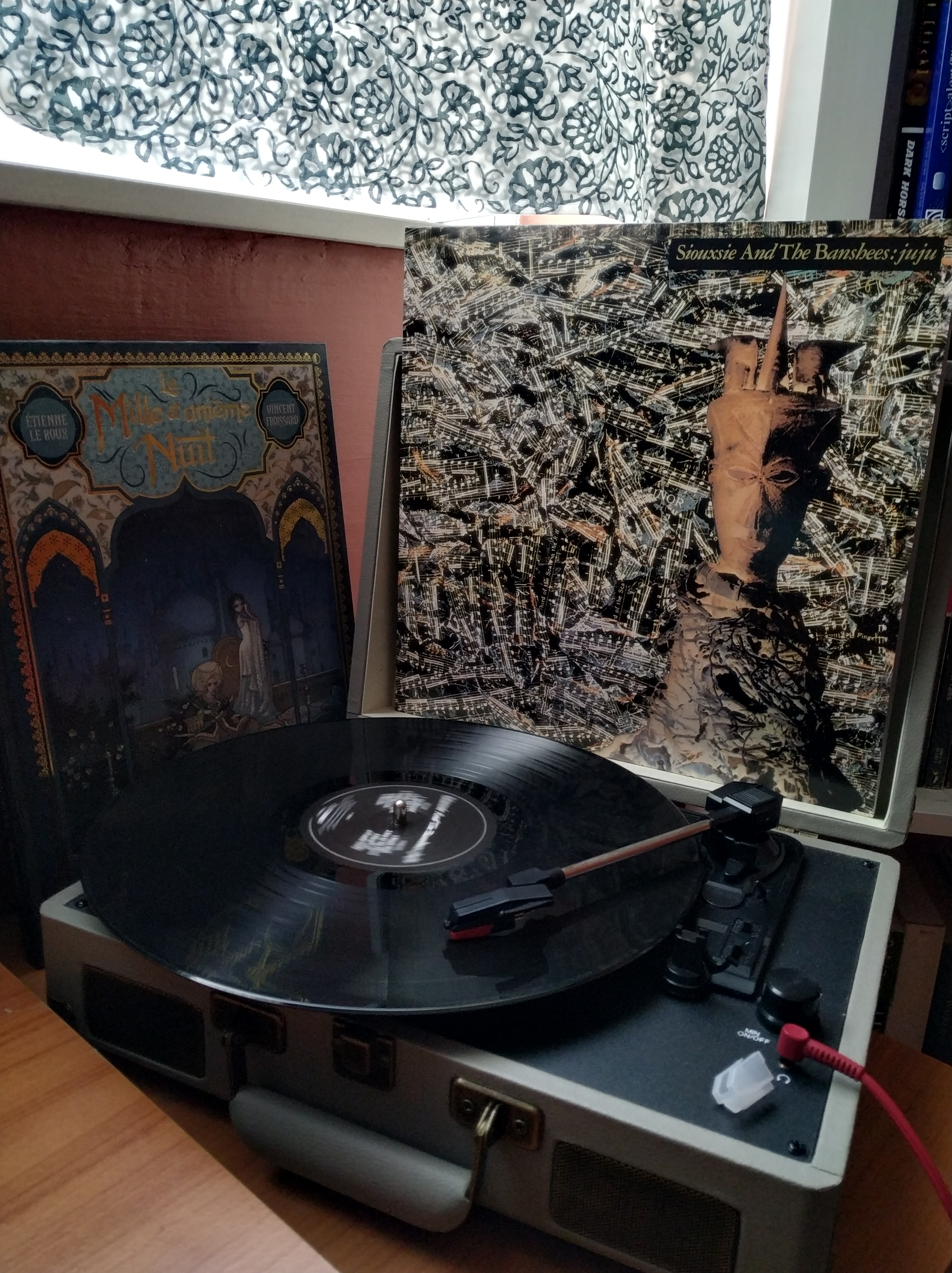
This all feels like good juju, since summer is approaching. And carving out a pretty alcove of darkness feels like just the thing. Take it away, Banshees…

banshees

Book Reviews | Ancient Gods, Fallen Angels and Other Dissolute Beings Awaiting the End of the World

I’ve stopped logging my reading into Goodreads, mainly because I felt it was gamifying the experience for me far too much, and this really not the kind of headspace I want to be in when considering what I Wish to Read, what I’m Currently Reading and what I’ve just Finished Reading.

IMG_20190303_170633.jpg

As with most pseudo-social and insidiously easy-to-use interfaces, the Goodreads model only appears to respect the fluid ebb and flow that characterises the reading experience for most people. But in actual fact, asking us to list and show off our reading is just another way of adding undue pressure and exhibitionism over something that should be experienced in the deep inner recesses of our mind.

So rather than ‘clocking in’ – an even better term than logging in, I think, implying an employee-like schedule/adherence to the gods of social media – I thought I’d chat a little bit about some of the books I’ve recently enjoyed, in a way that’s hopefully more germane to the intuitive and flowing pleasure that reading them implies.

Mythos by Stephen Fry

Screenshot (3 Mar 2019 17_33_51)

Perhaps opting to go for the audio route with this one was the best decision I could possibly make, as Stephen Fry’s self-narrated jaunt across the annals of Greek mythology is delivered in the lilting, bordering-on-placid notes that make him such a becalming yet enriching presence for many.

As regards the content itself, the tales are of course unbeatable in their timelessness, though Fry’s expansive approach is friendly and accessible, even if it risks ending up on the wrong side of avuncluar some of the time.

Much has been made of Mythos being published roughly around the same time as Neil Gaiman’s Norse Mythology, and the comparison illustrates precisely what I mean: where Gaiman retells key episodes from Nordic myth in lean, seductive cuts of self-contained story, Fry plays the encyclopedic know-it-all card. Not content to simply give us the stories, he will emphasise the linguistic and cultural strands that characterise the gods and personages that populate the myths.

It makes for a far ‘baggier’ affair than what Gaiman has to offer in his shoring up of the deities from up north, but it’s no less entertaining for it, and Fry made for an amiable companion during my self-administered work commute.

A History of Heavy Metal by Andrew O’Neill

IMG_20190303_170646

While I did not go for the audiobook route when it came to this hilarious and unputdownable trip across a music genre that defined me as a young man (it was a chance find at a local bookstore — quite rare, given that Malta is rapidly becoming swallowed up by a giant chain on that front), O’Neill’s voice quickly burrowed its way into my brain.

Unapologetically subjective (“Whitesnake can fuck off”) and in no way a conventionally authoritative, sober historical tome, it nonetheless reads like an impassioned and thoroughly lived-in love letter to an expansive, beguiling and often problematic musical genre whose intensity is often impossible to recapture in any other medium.

And that’s just it: a sober analysis would not have passed muster — it would have failed to capture the knotted, abrasive wall of sound that characterises that amorphous term, ‘metal’*. O’Neill is our man for the job. A black magic-practicing stand-up comedian who is also the vocalist and guitarist for the Victorian-themed hardcore punk band The Men That Will Not Be Blamed for Nothing. Can you really think of anyone else able to take up that mantle with the requisite amount of jagged style and grace?

The book made me ‘LOL irl’ in a way that only the likes of Terry Pratchett have done for me in the past, and it was also a contributing factor to me saying ‘fuck yeah!’ when a couple of friends suggested we go see Slayer in Glasgow on a month’s notice. Never underestimate the power of literature to influence impressionable young minds, folks.

Lucifer: Princeps by Peter Grey
IMG_20190303_170719

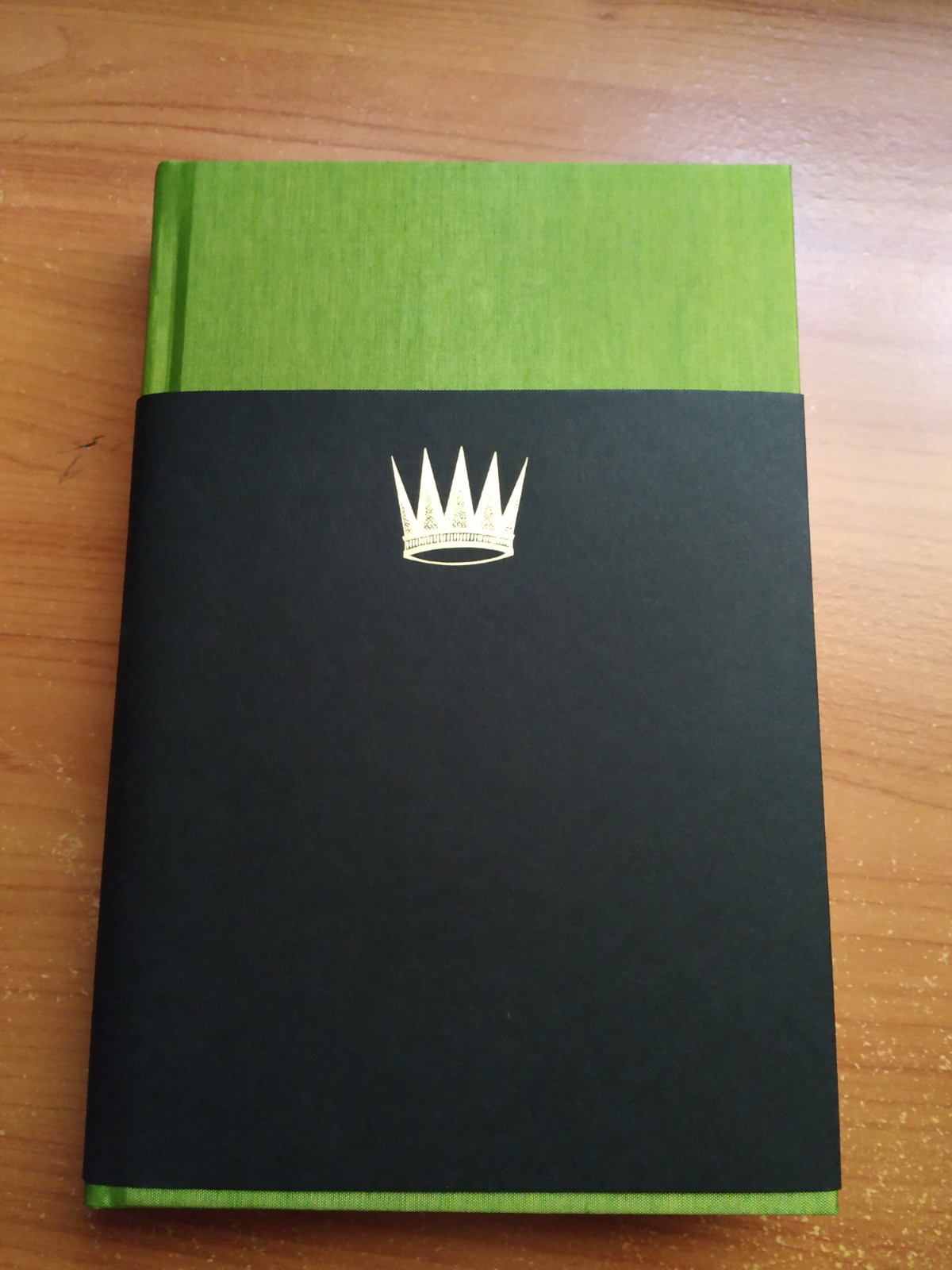
While Lucifer may feature heavily in all things (or at least, most things) metal, Peter Grey’s careful and thorough exploration of the evolution of the figure we’ve come to know as Lucifer sternly discourages any such shallow appropriation. Published in a gorgeous edition from Scarlet Imprint (which Grey runs with his partner Alkistis Dimech), Lucifer: Princeps is a beguiling and not-easy read, cleaving close to Biblical sources in an attempt to closely trace the most significant instances of the Lucifer figure, in what also serves as a preamble volume for Grey’s upcoming, Lucifer: Praxis.

With scholarly precision and an impatience for romanticised reimaginings of Lucifer and all he stands for, neither is Grey dismissive of the figure he considers to be the repository of Western witchcraft. Instead, as he writes in the introductory chapter (aptly titled ‘A History of Error), “My aim is to be effective in sorcery, rather than be ensorcelled”.

Long John Silver by Björn Larsson
long john use this

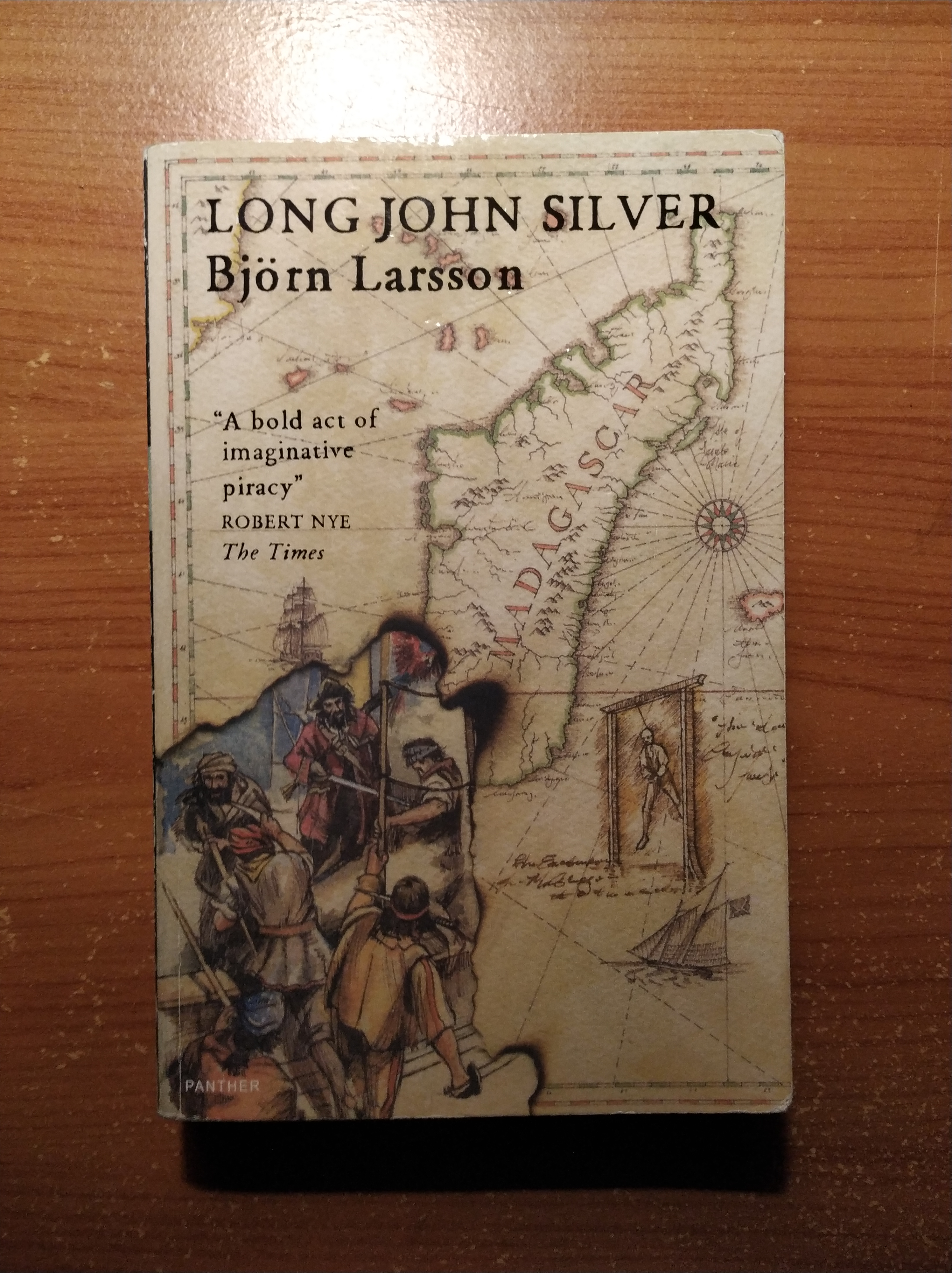
A life of itinerant freedom has always held a fascination for me, mainly because it represented a brighter flip-side to the many limitations otherwise imposed on a former ‘third country national’ such as myself. So of course, I will be magnetically drawn towards pirate narratives, and Larsson’s novel, which I found in a gorgeous bookstore in Rome after having Googled it as Black Sails withdrawal kicked in, provided that… and more.

Indeed, this novel may have been published in the early nineties, but its gritty revisionism is closer to the spirit of something like Black Sails — and the plethora of unapologetically violent anti-hero narratives that populate the crates of contemporary ‘prestige TV’ — while also using a seductive first-person narration to draw us into the story of Long John Silver, both before and after the events of Treasure Island.

In fact, the true genius of Larsson’s book is not its apt emulation of old-school adventure literature, and neither is it his evocative and often disturbing ‘maturation’ of the same (the slave ship segments don’t make for an easy read, for one thing, but this only helps Silver rise in our estimation: he is a no-bullshit narrator, at the very least). It is that Larsson’s Silver plays the same trick he played on young Jim Hawkins. He gets you on his side.

The Cabin at the End of the World by Paul Tremblay

IMG_20190303_170706

Ever since his twisty, layered, rich and creepily satisfying fourth novel A Head Full of Ghosts, Paul Tremblay has been on top of the list of writers to read for horror fans of all stripes, down from little old me and up to the likes of Stephen King himself.

The Cabin at the End of the World strips down his approach from the formally ambitious acrobatics of ‘Ghosts’ and is even more close-hewn and minimal than its immediate predecessor, The Disappearance at Devil’s Creek (which shows up in a sneaky cameo, an Easter Egg for true Tremblay fans).

Telling the increasingly harrowing story of a small family whose vacation at a remote rural cabin is cut short by a group of seemingly ‘well-meaning’ cultists, Tremblay’s latest initially reads like a screenplay, with his present-tense sentences flitting perspective from one character to another while maintaining a fluid third-person narration throughout.

It’s a shrewd formal choice that fits both the apocalyptic ticking clock that characterises the story — a looming axe that’s about to drop  (or is it?) — that generates both basic suspense while providing a rich fount of thematically-relevant ambiguity. But what really impressed me is that in the end, it actually feels less like a film than a harrowing stage play: something Sarah Kane or Philip Ridley could have written.

The limited setting and cast of characters makes it so: there’s something classically Greek about how this all pans out — all in real time, and forcing us to ask hard questions to ourselves, and our culture at large.

***

If you enjoyed these mini book reviews, please consider buying my own novel, Two. It’s a coming-of-age story set in Malta that blends realism and fantasy, and it has been described as “dreamy, and poetic and often exquisite“. Find out more about it here.

***

*Though I humbly put forward the ‘Thor vs Surtur‘ scene at the beginning of Thor: Ragnarok (2017), set to Led Zeppelin’s ‘Immigrant Song’, as a pretty apposite distillation of what metal at its best should be all about.  

Palermo & Other Pulp

Haven’t updated here for a while (he says, as if we’re still in Livejournal-world, as if our ‘updates’ aren’t energetically diffuse and many across various platforms now), though I’ve been wanting to for quite some time.

It hasn’t happened for the usual reasons — as ever, time and energy — though a meditative pit stop over at the blog would have been just what the head-doctor ordered (if I still visited one, that is, so this is all speculation).

Hectic times require a time-out, but sometimes a time-out is not possible because hectic time leaves very little time for anything else. As the current leader of our supposedly “free” world might say, “Sad!”.

***

So while my nerves are in a slightly calmer state at this point in time, as I sit back at home freshly showered and returned from a long weekend in Palermo, the mind remains scattered, and this blog post will be scattered too. In fact, I will use it in an attempt to un-scatter the mind as much as possible. It will be bitty. It will be chaotic. But it will also be, I think and hope, true. 

***

Speaking of scattered, ramshackle, shambolic and words of that type — pejoratives designating ‘chaos’, as the Pedant Mind would perhaps put it — I have thoughts on the Tom Hardy-starring Venom. Though this is mostly because I’ve been paid to have them, and the result of all that can be read through here at your leisure should one be so inclined.

But beyond what I thought about this uneven and certainly messy corporate love child between Sony and Marvel, the reaction to the film also gave me feelings.

A big fuss was made on how audiences and critics were divided on this one — with the punter giving the thumbs up while the boffins gave it a thumbs down — this isn’t really the talking point that impressed me the most. Though it’s certainly interesting that the divide was so great this time around, what got to me is how critics in fact kept bringing up the issue of ‘tonal consistency’ as the main problem with a film like this.

Colour me unconvinced, because tonal consistency is the last thing I’d expect from a film like this, and if that really is a sore point for you in a film about a gloopy black alien ‘symbiote’ looking for a human host to get psycho with (on? through?) then, you know, priorities.

If anything, tonal consistency is really something we could do with far less of in mainstream cinema. The Marvel Studios film may hit the mark way more often than when they miss, but it’s hard to deny that their over-curated approach hampers style and invention.

A recent example of the opposite approach worming its way into the mainstream is Gareth Evans’ Netflix Original feature Apostle. Sure, it’s a mess that outdoes Venom on the ‘grace and coherence’ front — feeling more like a mini-series cut down to feature length size (while remaining lumberingly sizeable all the same) and whose sudden shifts and escalations will have one believe Evans way maybe — just maybe — taking a teensy bit of a piss as he hammered out the script for his own feature.

But it’s also a delightfully bonkers ride that plays with your feeling with the same intensity it juggles genres. Anything can happen in the manic micro-climate that Evans has created, and very often it actually does.

It strikes me that ‘tonally uneven’ stories are actually the best suited format for popular narratives. Are the folk tales we told ourselves by the campfire for centuries ‘tonally consistent’, for example? (They may be formally rigid – but that’s another thing entirely.)

I want my mainstream blockbusters messy. Because anything the alternative appears to be a deliberate flattening of nuance and the random energy that seeps into a work and makes it its own.

IMG_20181029_150315

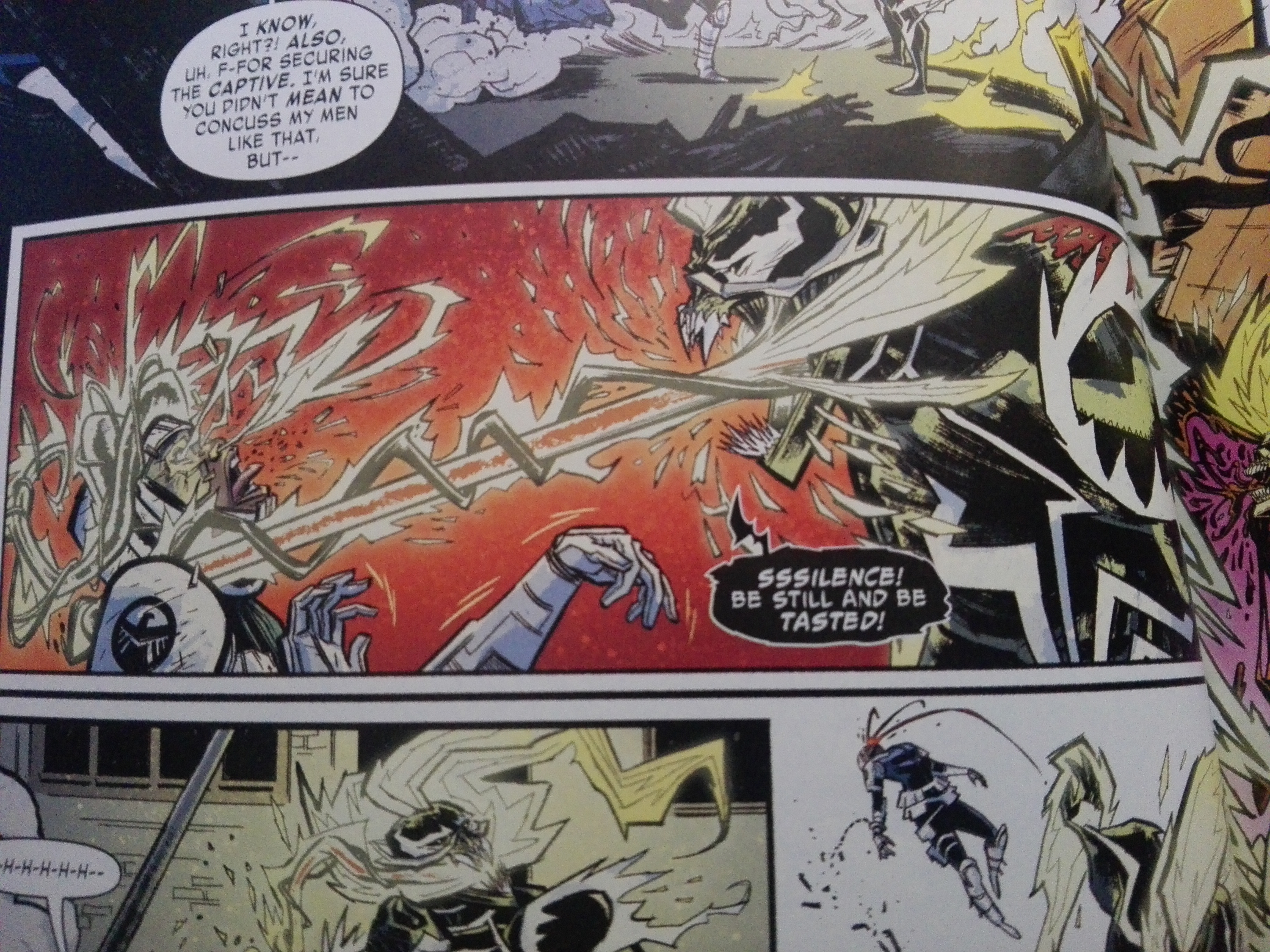
Hope does show up in strange places, though. Just as we were about to board the flight to Palermo, I decided to go against my usual habits and actually pick up those collated Panini UK editions Marvel appear to have designed specifically for airports.

One of these anthologised and slapped-together storied featured a Ghost Rider-Venom hybrid. Now that’s the kind of pulpy chaos that I wanna see in these things.

IMG_20181029_150421

***

Speaking of things that are best left messy, Palermo was an utter delight. One does not want to romanticise decay and deprivation too much, of course, but coming off from our own Capital of Culture year — an initiative that actually extols the opening of over 40 boutique hotels in Valletta as something positive — witnessing the crumbly decadence of Sicily’s capital city, especially during their own run at an international contemporary arts festival (Manifesta 12) was nothing short of inspiring.

IMG_20181028_001314_569

While similarities to Sicily and Italy certainly abound — though the climate is ever milder and the Arabic influence is very much felt in the architecture too, sliding into the Maltese language instead over here — my impression this weekend is that where Malta is over-curated, Palermo runs on a kind of studied neglect.

IMG_20181027_110810_156

I couldn’t imagine the Maltese artistic establishment to ever work up the nerve to display artworks in an exhibition commanding international renown with as casual and lax an approach that we found at Manifesta 12; weaving through palaces long past their hey-day, and — one assumes — walking a precarious tip-toe across health and safety regulations.

In Malta, we are perhaps a little bit too afraid to fail. But that fear clamps down any nooks and crannies of possibility that may open up.

***

Back in Malta now though, and a crazy week of deadlines will hopefully give way to a long-awaited month to geeky opportunity and plenty. First out of the gate is a talk my dear friend and collaborator Stephanie Sant and myself will be giving at Malta Comic Con, concerning out short film ‘Camilla’, which you can read more about here.

IMG_20180806_132441

‘Camilla’ (dir. Stephanie Sant) stars Irene Christ (left) and Steffi Thake, and premieres at the Malta Book Fair on November 10

But wait! The real hook here is that the event will also serve as the trailer premiere for our short! So should you be at Malta Comic Con this weekend — and you definitely should be, given that it’s the 10th anniversary edition of one of the most enthusiastically put together and consistently strong celebrations of comics and pop culture on the island — do stop by on November 3 at 15:00 to watch the trailer and hear us speak about the evolution of the project.

I will also have a table at the Con all weekend, and would very much appreciate chatting to whoever passes by (I mean it — despite my lowkey misanthropy still going strong after all these years, these things can get dull for long stretches, to the point where human interaction suddenly becomes a welcome prospect).

***

More stuff! 

I will be chairing the Literature in the Diaspora conference at the Malta Book Festival on November 7 at 19:00. I will then be having a one-to-one live interview with one of the conference’s participants; the fiercely intelligent Croatian writer Nikola Petkovic, on November 8 at 17:30.

‘Camilla’ will then premiere on November 10 at the MA Grima Hall of the Mediterranean Conference Centre in Valletta. The show starts at 20:30, and also forms part of the Malta Book Festival.

And after that’s done, I jet off to Glasgow to see Slayer and a bunch of other nutcase-loud bands. But that’s a story for another day — should I survive it, and whichever shambolic shape I’ll be in at the time.


Updates | Camilla at Malta Comic Con & Losing [Our] Space on YouTube

My last update was about the Malta Mediterranean Literature Festival (MMLF), and this one is sort of about that too. We took a quick trip up to the in-laws soon after the event ended and got something of a breather from this stuffy, overcrowded and practically air-less island. It’s a trip that usually lasts quite a bit longer and is sometimes undertaken in different countries… whatever it takes to escape the July-August swelter of Malta.

The weather is still insufferable, the tourists and AirBnB-ers still crowd us and sometimes bar us from getting a proper night’s sleep, but on the whole — I say this with figurative fingers firmly crossed — it all seems to be thinning out, with the evenings even regaling us with the odd breeze to sleep through every now and then.

It’s a reminder that easier times should be just about ahead, and exciting ones too. It may be the flavour of pumpkin spice latte or crunchy leaves that announces the onset of Autumn pleasures to some… I’m just grateful for a mellowing out of the general atmosphere. But coupled with the fact that yes, Halloween (and horror) is also something I enjoy indulging in quite a bit, there’s very geeky pleasures to be had during autumn on our island too.

But, first things first

*

Losing My Space‘ – round-table discussion and MMLF pre-event – now on YouTube

Losing My Space Giola Cassar

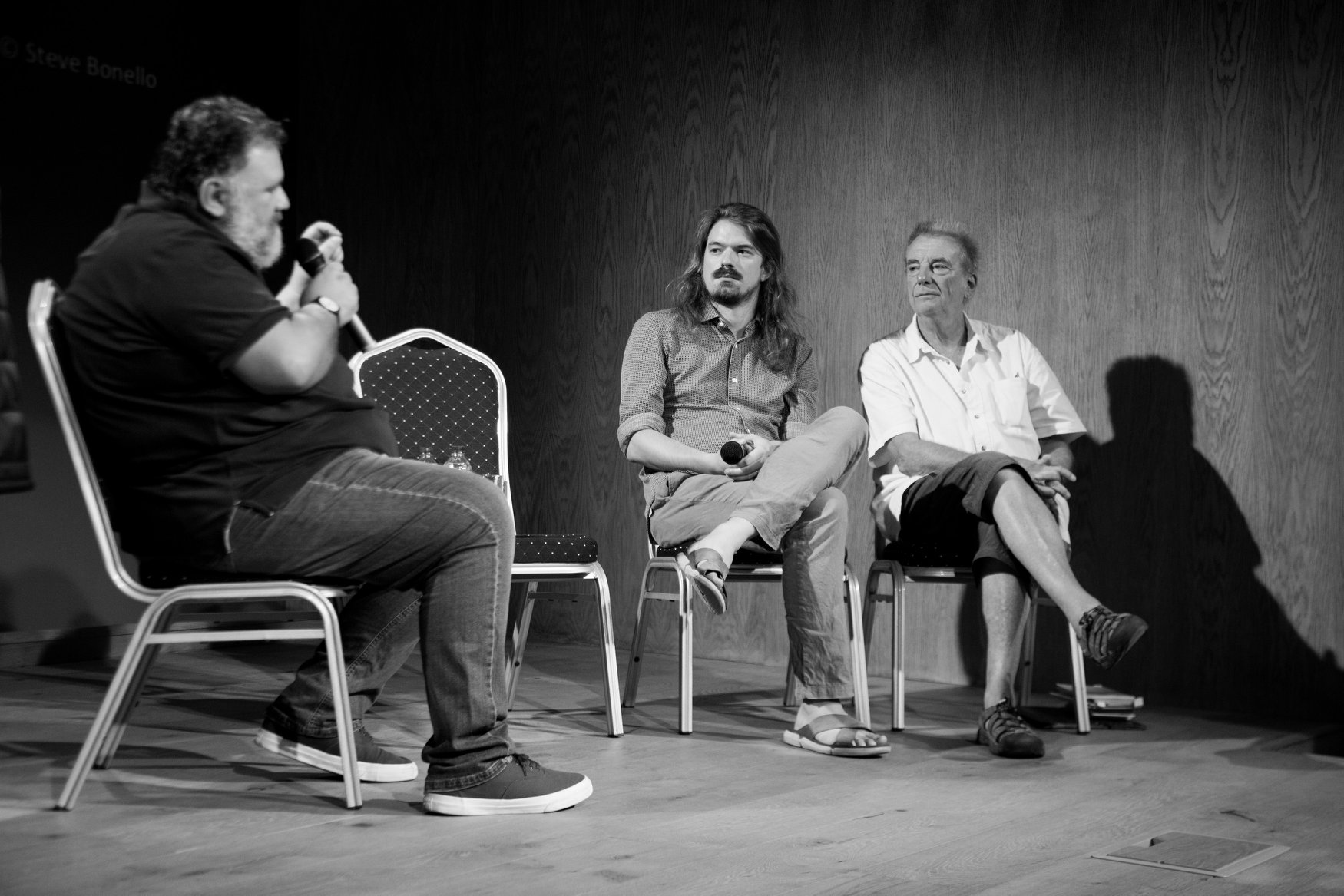
Losing My Space‘. Moderated by Immanuel Mifsud (far left) and featuring Teodor Reljic and Roger West. Photo by Giola Cassar for Inizjamed

Taking place on August 19, Losing My Space was a well-attended and well-received discussion on just what writing can possibly do in the face of pervasive environmental devastation and urban/corporate overdevlopment, and in a lot of ways ushered in the Festival itself, because the ensuing discussion — undertaken by poet Roger West and myself and moderated by established Maltese author Immanuel Mifsud — reflected both the festival’s artistic sensitivity and political urgency.

But the warmth and wit of the audience is also a bit part of that experience, and I thought it was reflected with an apposite grace here. Either way, you can now see for yourself on YouTube. Be sure to also check out the Festival’s other big — bigger, even — round-table pre-event, ‘Writing Fragile‘. Kudos to Inizjamed for being so efficient with putting these recordings up — it’s a great way to ensure both outreach and posterity as well as, once again, prolonging the wonderful experience at the heart of this event.

*

Creating the Maltese Gothic: ‘Camilla’ at Malta Comic Con

IMG_20180804_192349

Happily, one of my favourite annual appointments on the island will be just-about coinciding with Halloween this year, as the Malta Comic Con gets bumped up a month ahead of its usual December slot to take place on November 3 and 4 this year at the MFCC in Ta’ Qali.

Apart from sharing a table with my very talented sister-in-law (I’ll be the guy peddling prose books); I’ll also be delivering a talk on ‘Camilla’ with the project’s co-writer and director Stephanie Sant, on November 3 at 15:00.

This would be just a week or so shy of the short film’s official premiere at the Malta Book Festival on November 10. Find out more about the event here; and click here to learn more about the project — a work of Gothic horror that adapts a short story by one of Malta’s leading literary voices by injecting it with a bit of Sheridan Le Fanu.


Camilla Interview on the Times of Malta

Something really nice has happened this year. We get to make a stylish and LGBTIQ-friendly Maltese vampire film and screen it at one of the most long-standing and generously attended events of the local cultural calendar.

What I’m talking about is ‘Camilla‘, a project that just got some fresh media attention in the Times of Malta. It is also a project that blends one of the most exciting voices of Maltese literature with the legacy of Joseph Sheridan Le Fanu’s foundational text of vampire fiction, Carmilla.

‘Camilla’ is a short story written by Clare Azzopardi and forming part of her anthology Kulħadd Ħalla Isem Warajh — an award-winning collection released by Merlin Publishers in 2014.

It is the story of the enigmatic titular character, who has made a home in the bustling Maltese village of Naxxar — an Italian aristocrat of sorts (we suspect), spurned by a lover and left to write beautiful epitaphs for the local dead.

Capture

Stephanie Sant (right, in case you were wondering) and myself chat to the Times of Malta about ‘Camilla’ — along with our producer Martin Bonnici. Click here to read the interview.

My good friend and collaborator Martin Bonnici first approached me about adapting a short story for the purposes of entering into an annual contest put up by the National Book Council. Co-writer Stephanie Sant came on board soon enough, along with the rest of the team at Shadeena and a number of cool collaborators. Actresses Irene Christ and Steffi Thake got on board too, and we managed to score the funds on our second try.

Filming starts in a couple of weeks’ time, and I can’t be more excited to see the outcome, while wishing Stephanie and co. the best of luck as they amble around the locations for a rapid-fire shoot under the scorching early-August sun.

Meanwhile, Stephanie, Martin and myself have been interviewed by Stephanie Fsadni over at the Times of Malta on the project, so hop on over there to get the full lowdown on how it all happened and how we’re approaching it.

‘Camilla’ is made possible with the help of the National Book Council (Malta), and is produced by Shadeena Entertainment. It will be screened on November 10 at the Mediterranean Conference Centre, Valletta as part of this year’s edition of the Malta Book Festival