Following the annual horror binge of October, I tend to slip back into fantasy favourites during the subsequent months in an attempt to close off the year with something of a cosily immersive lilt; to both weather and take advantage for what passes for autumn and winter in this warm part of the world, and to plug into its wellspring of restorative nostalgia.
This often gets me thinking about the vilification of the fantasy genre — broadly speaking — as ‘escapist’, which tag tends to be loaded and, as is often the case, flung around in a dismissive and rather unreconstructed way.
The implication being that, the further we are from a cleanly mimetic representation of reality in fiction, the more ‘irresponsible’ we become in its consumption. That such a mode encourages us to forget the world as it is now, in favour of an ethereal indulgence that numbs us to our day-to-day realities and leaves us in a torpid stupor, the kind that Tennyson detailed in The Lotos-eaters.
There’s of course been endless shadings and nuancing of this argument over the years, but I believe that the core of it has remained with us — throbbing like a planetary core that has lodged itself and become essential to historical ecosytem of the discourse, much like any other ossified truism.
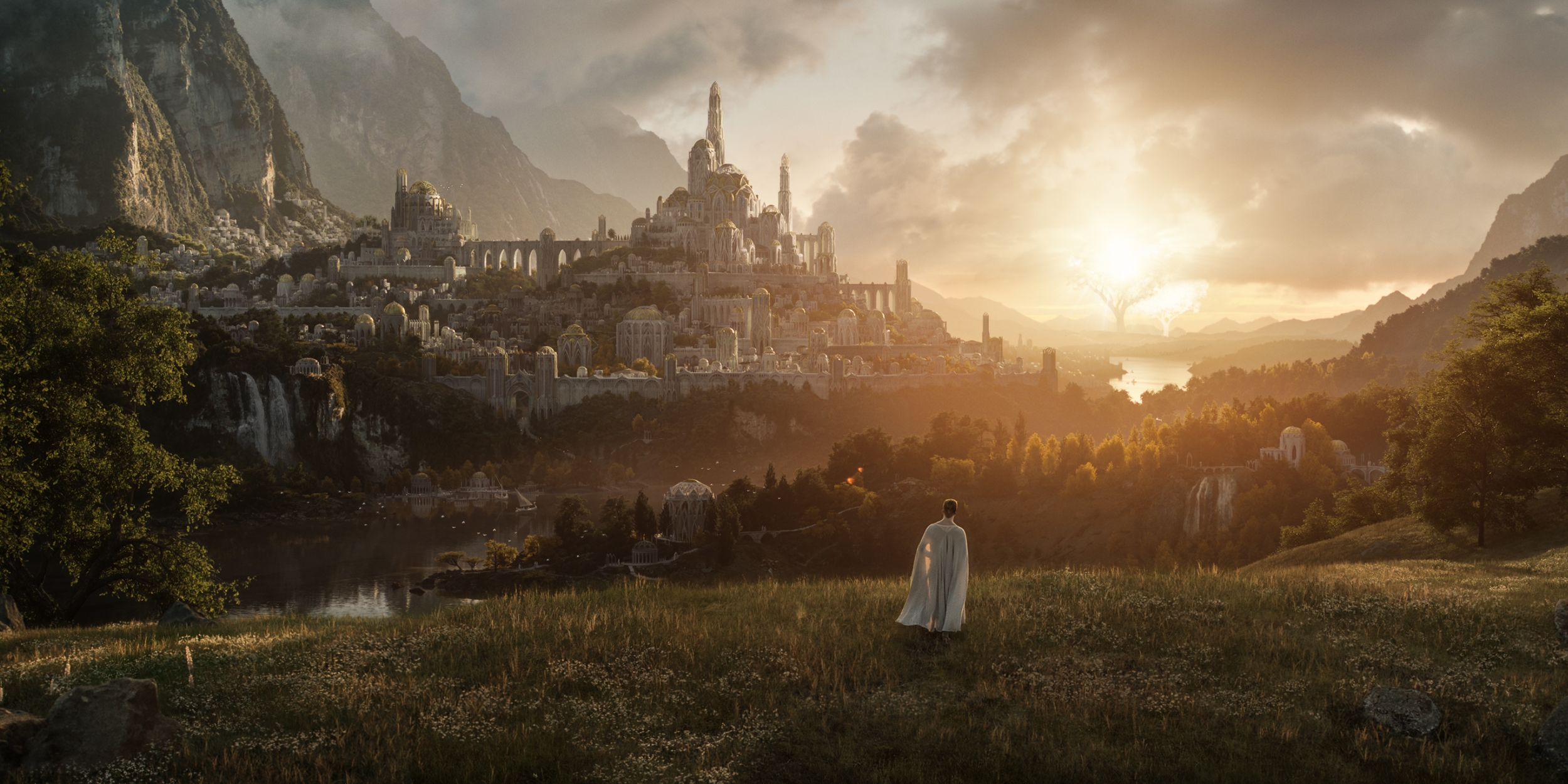
I find it to be endlessly faulty, and not just because I’m a fan of fantasy literature (and therefore don’t appreciate being characterised as some sort of head-in-the-sand naive idiot by proxy).
My issue here is far more fundamental. To put it as plainly as I can manage: it assumes that reality is a flat, clearly definable surface, and that we can posit a clean reality : fantasy binary.
The popularity of such an assumption is hardly surprising, given that it’s taken root primarily within the confines of a materialist, capitalist western society. This is a mode of living which at best compartmentalises all that is not tangibly measurable, rendering it peripheral to the day-to-day workings which make the machinery tick.
So that religious practice is tolerated, as long as it can be woven into the fabric of the day-to-day without causing too much offence (and crucially, it is called upon to occasionally prop up the agendas of certain politicians and ratify certain acts of exclusion and social inequality).
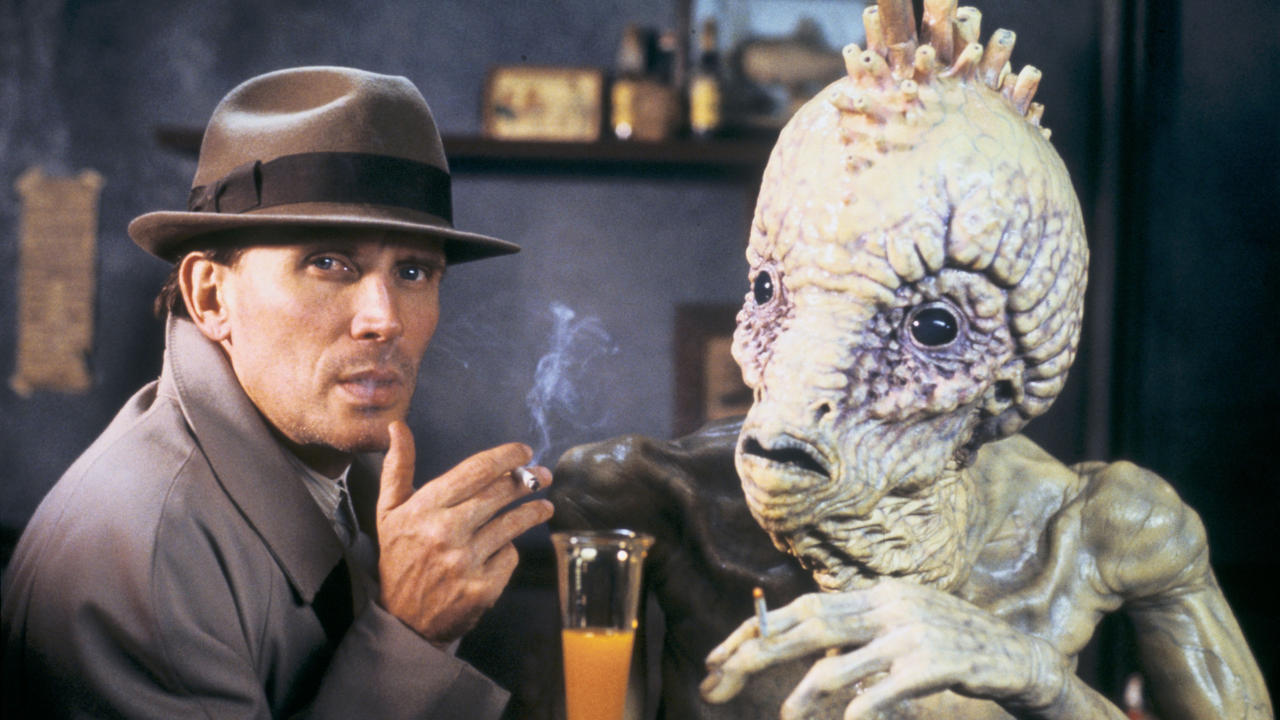
Perhaps we accept the intangible when it relates to issues of mental health. There is, at the very least, an understanding that — medication-based psychiatric help aside — the mental realm needs tending to in ways that are suspiciously apposite to the kind of treatments and rituals we would associate with religious and/or magical practice.
But even then — the overarching practise is to simply ‘treat’ any mental health anguish in a way that’ll make it go away so that you can resume being a healthy cog that can help keep the system chugging along. We are hardly encouraged to take its wider implications — that there’s more to life than what’s in front of us — and run with it.
In the same way, fantasy is also compartmentalised, only to be richly consumed by all of us. Literature aside, its popular adaptations litter our screens and the streaming services that have latched onto them like eager barnacles. Adaptations of the works of JRR Tolkien, George RR Martin and Neil Gaiman were some of the most-watched (or at least most talked about) shows of the past year or so.

Even something like Amazon’s take on William Gibson’s The Peripheral — ostensibly a work of ‘hard’ neo-cyberpunk from the grandfather of that subgenre — ultimately partakes of fantasy tropes at its root: it’s a portal fantasy with virtual reality and cyborg stand-ins only superficially replacing the mechanics of magic and its adepts.
Ultimately, branding fantasy more escapist than its supposedly ‘realistic’ counterparts is bound to devolve into a fool’s errand animated into being solely by the assumptions of a category error.

If you’re reading, watching or hearing something — anything — for an extended period of time, you’re lost in that experience, and at least somewhat disconnected from the real world, by proxy. Whether this is an epic adventure quest populated by dragons, elves and goblins, or a kitchen-sink drama of an immigrant family trying to make ends meet in present-day Munich, is really beside the point.
That’s not to say that there are no distinctions to be made within the minutae of experience to be had in each, of course. But the moralistic tone that is often taken against the allegedly more ‘escapist’ of the two still betrays at least a hint of lazy thinking.
For all that the more grimily realist fiction can illuminate and raise awareness — political awareness which, it must be said, is thinner on the ground(s) of that genre’s more navel-gazing counterparts — the fantastic acts as an extension of that experience.
Let’s give voice to what’s easier to defend here, for starters. Boundary-pushing works of the fantastical — the kind you’ll find among the likes of Kafka, Angela Carter or David Cronenberg — will exaggerate and amplify with the aim of exploring loftier points. The flinty realists are largely on the side of these non-escapist works of the fantastical.

But I would submit that even the most reactionary or nostalgic of fantasy works can have a purpose which isn’t simply redolent of intellectual vacuity or laziness, of a kind of distracted quietism that numbs the intellect and reduces its consumers to little more than sludge.
At the end of the day, even the knockiest of Tolkien knock-offs will be better for your mental hygiene than hours spent doomscrolling through the social media platform/s of your choice… and the degree of actual, conscious choice involved in that experience is questionable to begin with.
Because if distraction from reality is what makes fantasy such an ‘irresponsible’ intellectual pursuit, what is the doomscrolling impulse of the 24/7 news cycle, which has now emigrated beyond the relatively confined space of the television screen to also latch themselves onto our mobile phones? (Yes, Gibson and Cronenberg have been warning us of this with grotesque gusto for decades).
Haunted by this reality, I submit that anything which promotes immersion of any kind is a better and more meditative alternative.
***
Re-read of the season: The King of Elfland’s Daughter by Lord Dunsany
Currently reading: The Broken Sword by Poul Anderson


 Soft Disturbances